
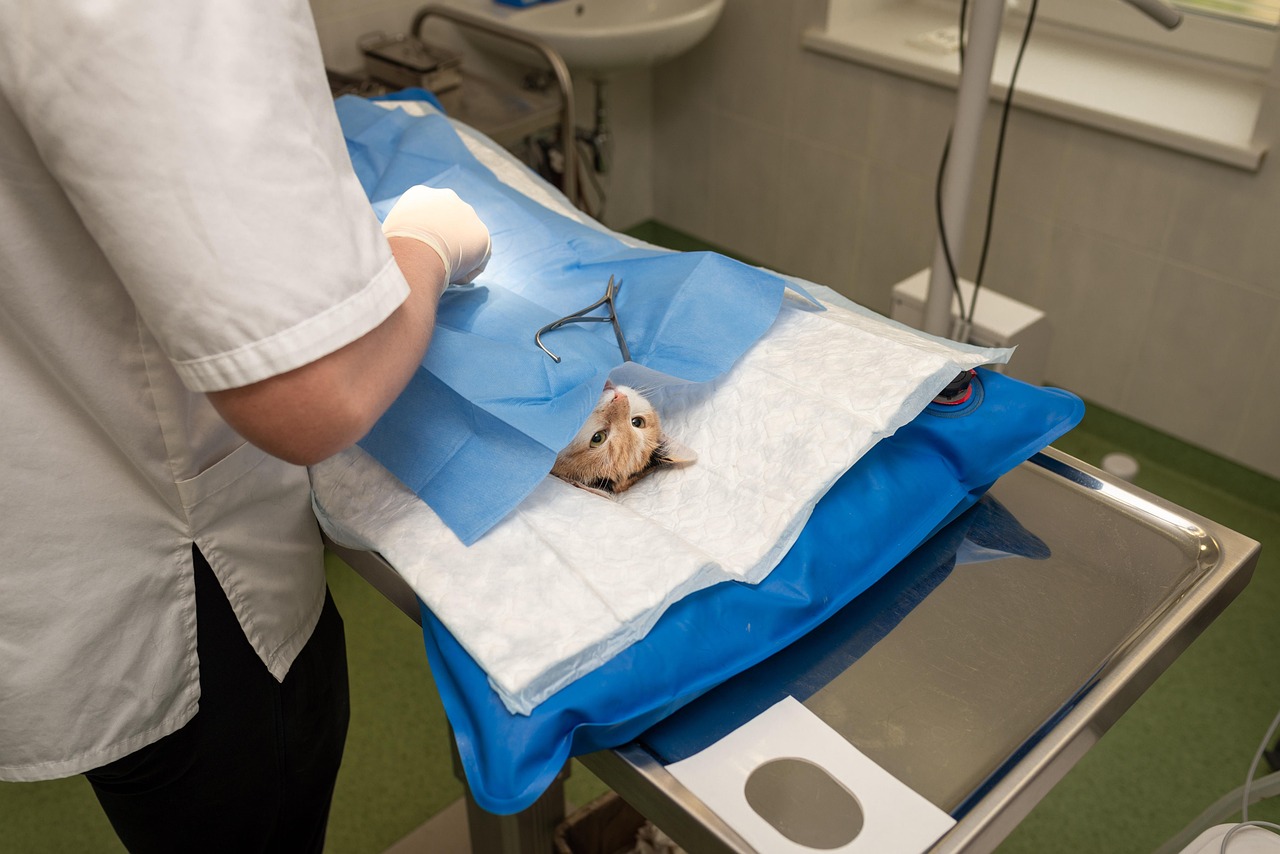
Twenty years of warnings about machines taking the work, and the number of vets in Britain went up 160%. Coffee shop workers tripled. Fitness instructors doubled. Therapists too. Whatever the robots were coming for, it apparently wasn't the labradoodle's hip appointment.
The warnings weren't wrong about the destruction. Deloitte's economists mapped the UK jobs market over the twenty years to 2024, and machines did exactly what the pessimists said. Hundreds of thousands of manufacturing jobs gone. Secretarial work gutted. Bank branches, travel agents, betting shops, all cut through. Around three and a half million jobs disappeared.
And eight and a half million were created.
The interesting part isn't the arithmetic, though. It's the direction. Look at what died and what grew, and a pattern sits there in plain sight. What went was the routine work. The repetitive, procedural, do-the-same-thing-a-thousand-times work. What grew was the opposite: work involving judgement, complexity, and other people. Cyber security. Therapy. Care. Even the coffee shops are in that column. Nobody goes to a café for efficient caffeine delivery.
Deloitte's chief economist put it in a way I haven't been able to shake. Machines have let humans stop behaving as machines. For two centuries we made people do robotic work because there were no robots. Now there are.
Whether AI breaks this pattern is the live question. Plenty of clever people think it will, that this time the machine climbs high enough to take the judgement work too. The Deloitte man is unconvinced, and says so with the sort of hedge that never gets him invited on television. He won't bet against twenty years of data. Neither will I, though I hold it more loosely than I'd like.
What I notice from inside one of the judgement trades is this. The parts of my work a machine can now do were never the parts anyone valued. No client has ever thanked me for processing.
What they remember is the sitting down together when something was uncertain and deciding what to do. That work has been growing for twenty years.