
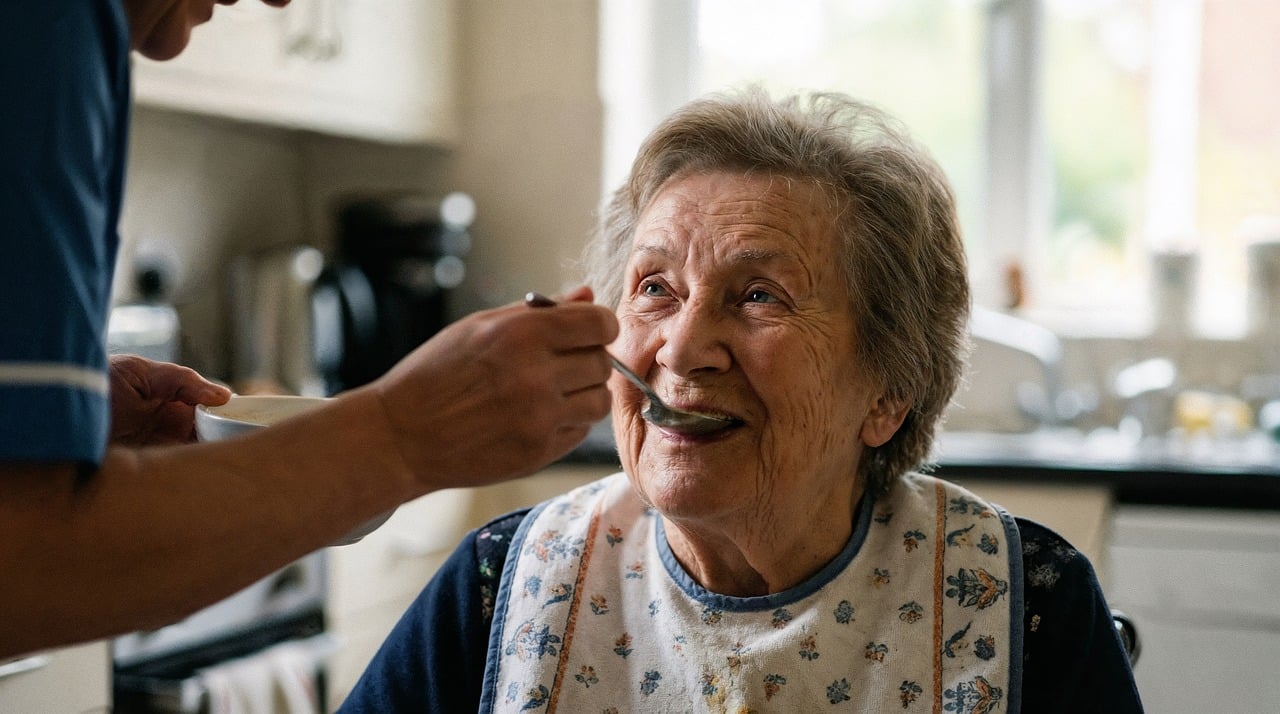
There's a statistic I haven't been able to put down. In America, over the last couple of years, nearly all the new jobs, almost every single one, have been in health care and social assistance. Looking after people. Close to two million of them, while the rest of the economy, added together, went nowhere.
Now, some of that has a plain explanation. Populations are ageing, and older people need more care. I don't want to dress a demographic fact up as something prettier than it is.
But I don't think that's the whole of it either, because the same shape shows up everywhere you look. Over twenty years in this country, the work that shrank was the routine kind, the processing and the paperwork. The work that grew was therapists, carers, nurses, even vets. Machine after machine arrived, and each time, what was left over, what turned out to be the part nobody could automate, was one person paying attention to another.
I find that genuinely moving. We spent two centuries building machines to do the work, and the work that remains is caring. As if it was underneath everything else all along.
Here's where it touches what we do. People are usually comfortable being looked after in some parts of life. A physio for the knee, a dentist twice a year. But with money, so many people feel they ought to manage alone. Asking for help feels like an admission, so they carry the worry privately, sometimes for years.
If the whole working world is quietly reorganising itself around looking after people, maybe it's alright to be one of the people looked after. Money included. Especially money, honestly, because it's one of the few worries that touches everything else.
That's most of what our meetings are. Not transactions. One person paying attention to another, about the thing they've been carrying.